Geneva Talks Collapse: Why World Fails to Agree on Rules for "Killer Robots"
UN-led negotiations in Geneva on a legally binding treaty regarding autonomous weapons failed due to opposition from Russia and other technologically advanced nations.
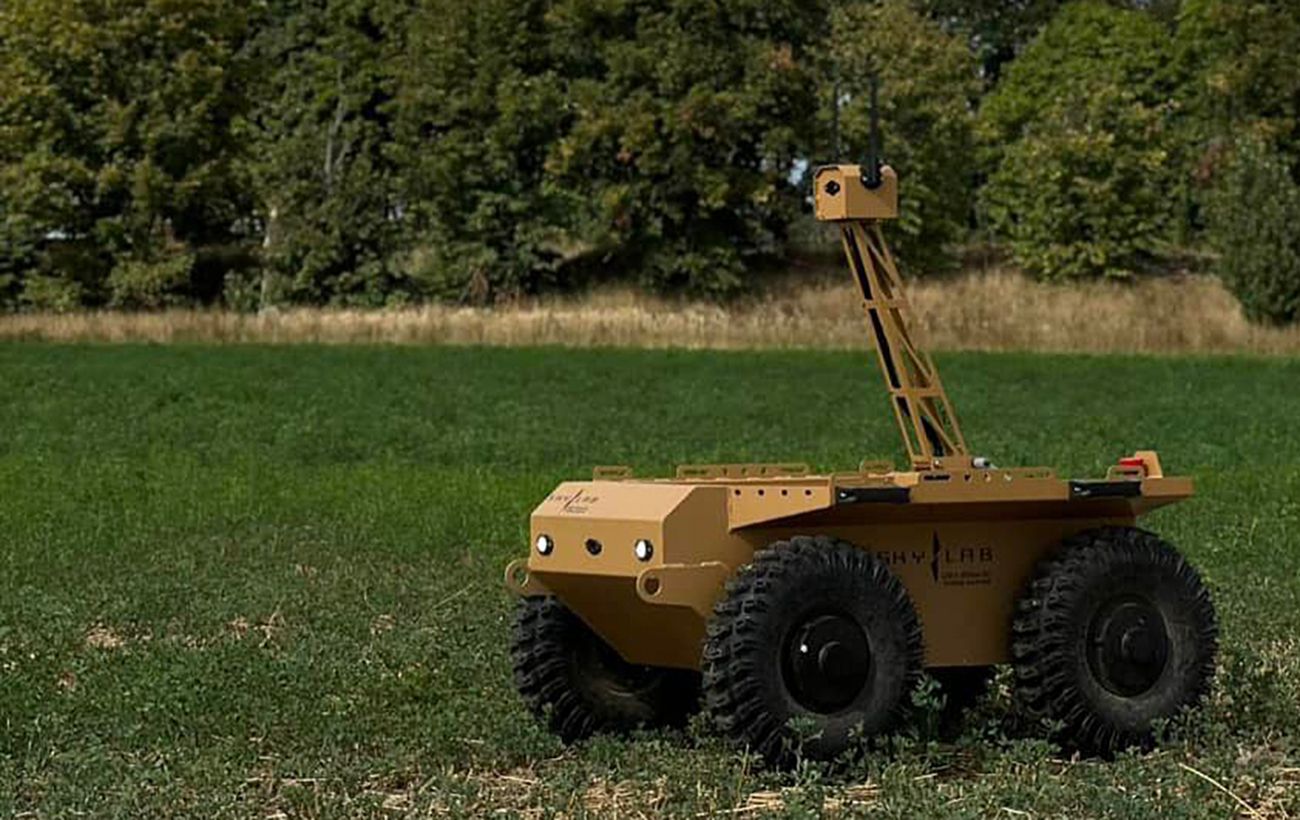 🧠AI Analysis
Photo: RBC-Ukraine
Key points
- Geneva talks on autonomous weapons failed to produce a legally binding treaty
- Russia blocked progress by deliberately stalling discussions within the UN framework
- Several major powers, including the US and European nations, also opposed rigid legal mandates
- Human rights advocates warn that the world is lagging behind in regulating AI combat systems
Week-long negotiations under the UN Convention on Certain Conventional Weapons in Geneva ended with the adoption of a weaker, non-binding document. The vast majority of participating states pushed for a mandate leading to a legally binding treaty to control autonomous weapon systems, but strict opposition from certain countries prevented a formal agreement.
Reasons for the Blockade and National Positions
According to diplomats, the Russian delegation intentionally delayed discussions and hindered consensus. Meanwhile, other influential players—including the United States, the UK, France, and Germany—also opposed strict international regulations on military artificial intelligence, arguing that existing humanitarian law might be sufficient or favoring non-binding guidelines instead. Due to the consensus rule requiring the consent of all 128 convention members, any strong opposition effectively halts attempts to create new mandatory rules.
Experts and human rights advocates expressed deep disappointment over the meeting's outcome. Representatives of international organizations emphasize that autonomous weapons are already being developed and deployed in practice, meaning that delaying clear international standards poses serious threats to civilians and global security at large.
Source RBC-Ukraine — rbc.ua/ukr/news/rosiya-znyala-zaperechen-zhenevi-domovilisya-179542… ↗
Read next
 🏛️Politics
US Congressional Election Results: Implications and Opportunities for Ukraine
Democratic control of both US congressional chambers offers a renewed institutional role in foreign policy, yet long-term aid still requires bipartisan consensus.
 🏙️City
Winter is coming: forecasters predict snow and ice on roads for the coming days
Ukraine is expecting a sharp change in weather with snow, gusty winds, and icy roads over the next few days.
 🏙️City
Winter weather and frosts are hitting Ukraine this week: what to expect
A sharp change in weather is expected across Ukraine this week, bringing precipitation followed by genuine November frosts.
 💼Economy
Hryvnia Unexpectedly Strengthens: What It Means for Local Finances
Ukraine's currency showed a sharp weekly rise driven by tax payments and regulatory actions. Experts advise a balanced approach to currency purchases.
 🛡️Security
Wheels over tracks: why Ukrainian military increasingly favour wheeled UGVs
Unmanned ground vehicles with wheeled chassis are gaining popularity among Ukrainian defenders due to their practicality and ease of maintenance. However, platform select…
 🎭Culture & Sport
Famous American Director Quentin Tarantino Welcomes Third Child
Oscar-winning filmmaker Quentin Tarantino and his wife Daniella Pick have welcomed their third child, a baby boy, keeping his name private.