The Psychology of Silence in Company: Why Some People Prefer to Listen
Experts explain why certain individuals remain silent in group settings and debunk common myths about unfriendliness.
 💼Economy
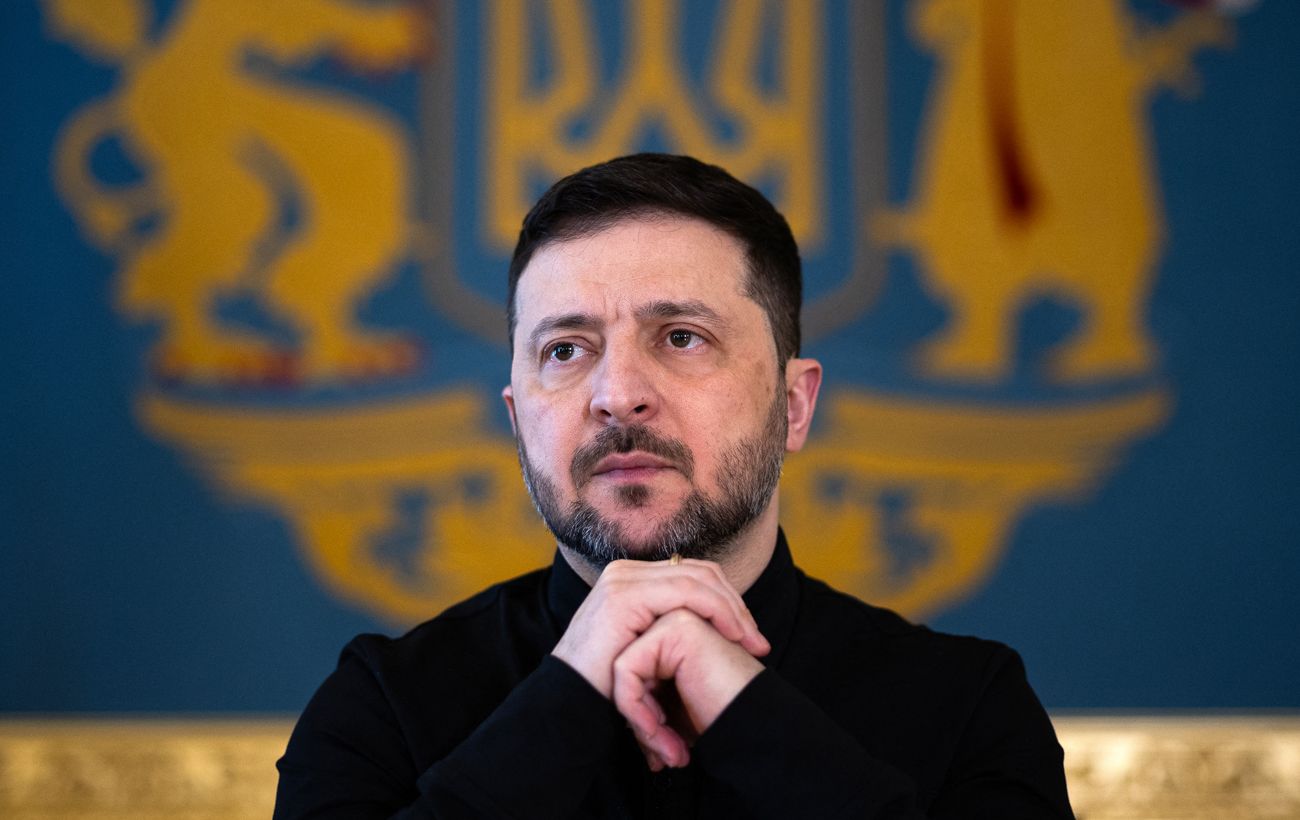
Photo: UNIAN
Key points
- Silence in a group often serves as a protective mechanism against stress.
- Quiet individuals conserve energy and actively process conversational data internally.
- Such people often take the lead during one-on-one conversations.
In any social setting or group gathering, there is often someone who avoids active conversation and prefers to simply observe the discussion. Observers frequently jump to conclusions, interpreting this behavior as unfriendliness, shyness, or a lack of knowledge on the topic. However, psychological research suggests that the real reasons behind this behavior run much deeper and have nothing to do with ill intent.
A Protective Mechanism and Emotional Detachment
According to specialists, silence in a group often acts as a protective shield used by the brain during elevated stress levels. When a conversation touches upon sensitive topics, such as politics or controversial subjects, the nervous system may respond with emotional detachment. This process helps individuals avoid unnecessary conflict and maintain their internal equilibrium.
Besides serving as a defense mechanism, silence can be a way to conserve personal energy. Instead of expending resources on emotionally charged debates, individuals redirect their energy toward other matters that may arise later. Meanwhile, the brain remains actively engaged, processing the information heard from others and analyzing the group dynamics without necessarily speaking out loud.
One-on-One Communication Patterns
An interesting nuance noted by psychologists is that people who are typically quiet in large groups often tend to take the initiative and lead the conversation when interacting with someone on a one-on-one basis. In smaller or private settings, they may feel completely comfortable and communicative.
Source UNIAN — unian.ua/curiosities/lyudi-yaki-movchat-u-kompaniji-mayut-odnu-osob… ↗
Read next
 🛡️Security
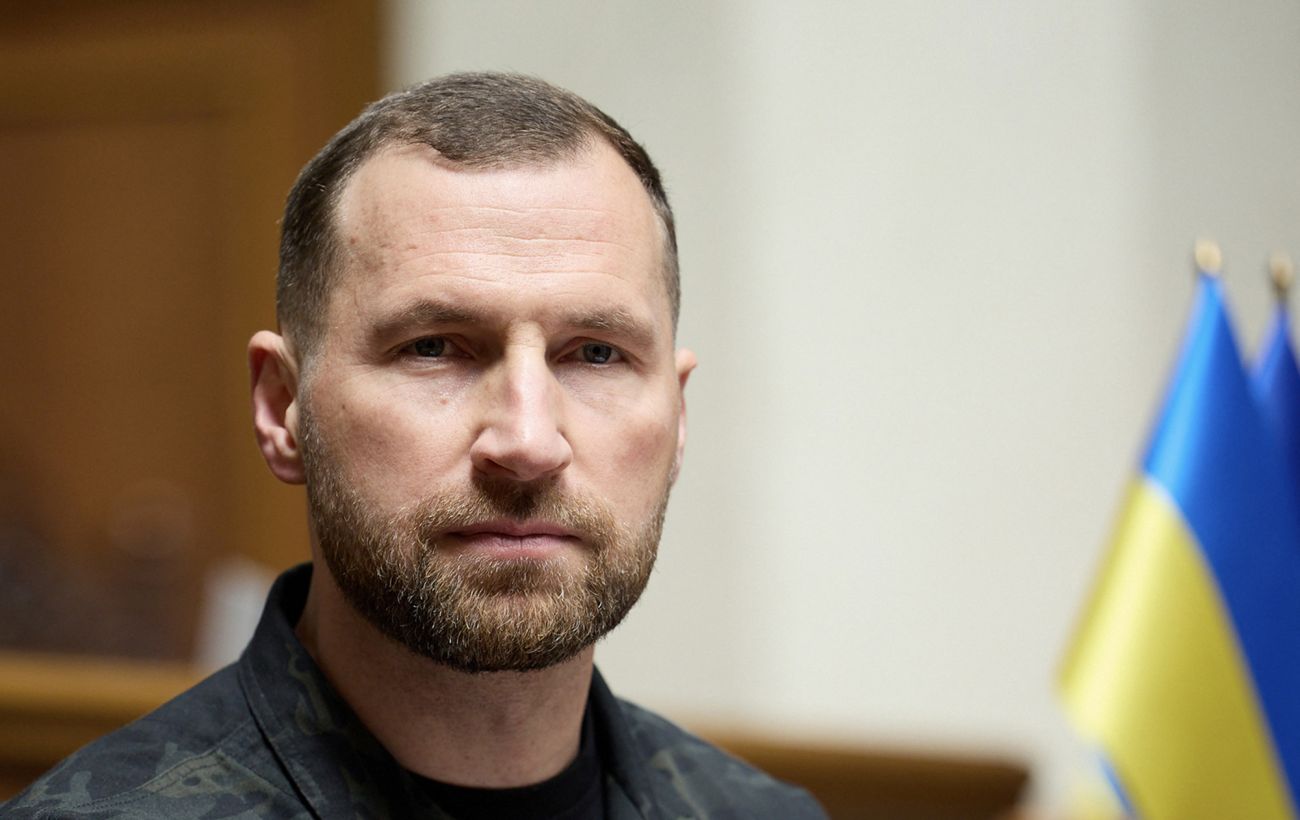
Rising Intensity of Missile Attacks: Defense Ministry Data on Ballistics
The Ukrainian Defense Minister reported a significant increase in the production and use of ballistic missiles by Russia.
 🛡️Security
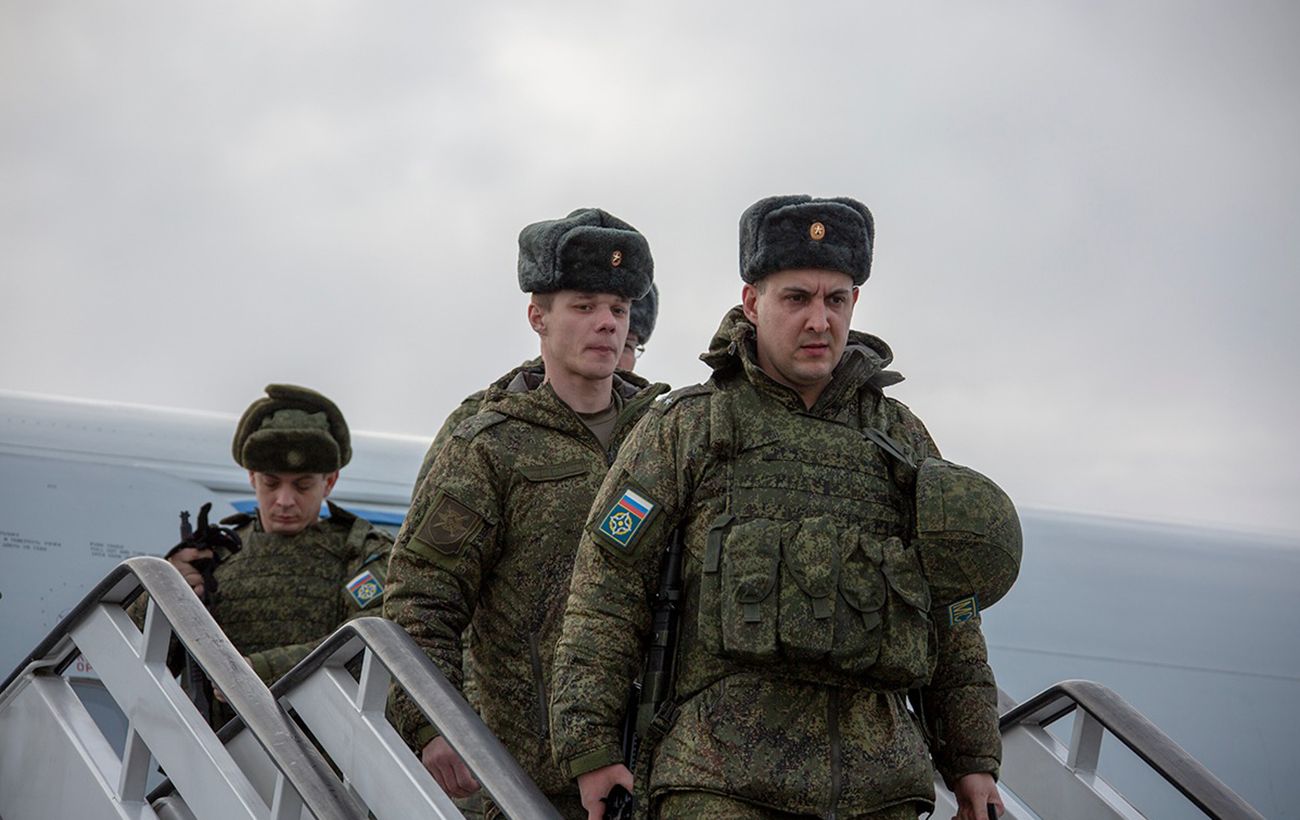
Rosstat data confirms critical rise in Russian army combat losses
Leaked Russian state statistics indicate that over 92% of deaths among Russian military personnel since 2022 are the result of combat operations.
 🚨Events
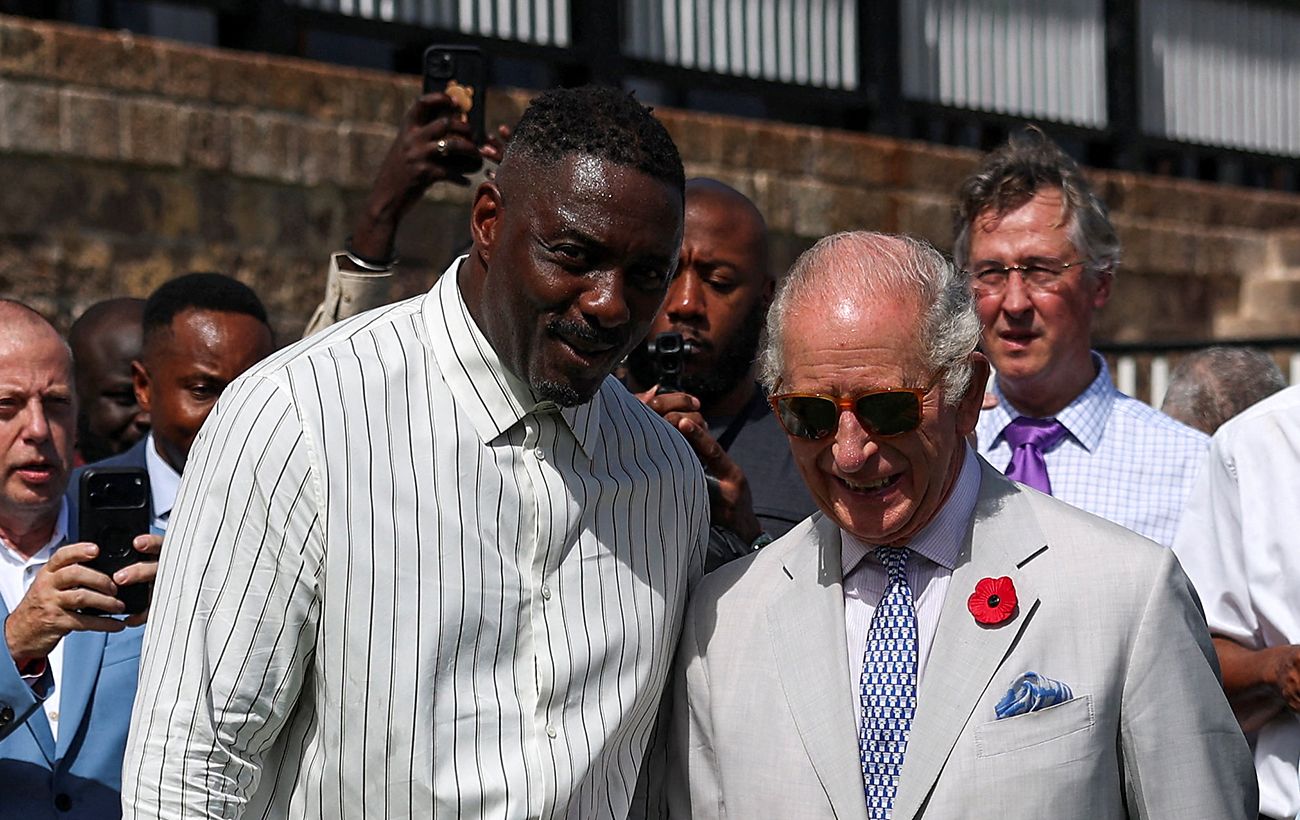
King Charles III and Idris Elba to star in new documentary about philanthropy
The British monarch and the acclaimed actor appear in a Netflix documentary highlighting the impact of The King's Trust.
 🩺Health
Health Ministry expects sufficient flu vaccine supplies for Ukraine
The Ministry of Health has assured that despite global production delays, Ukraine has secured enough flu vaccines for the current season.
 🛡️Security
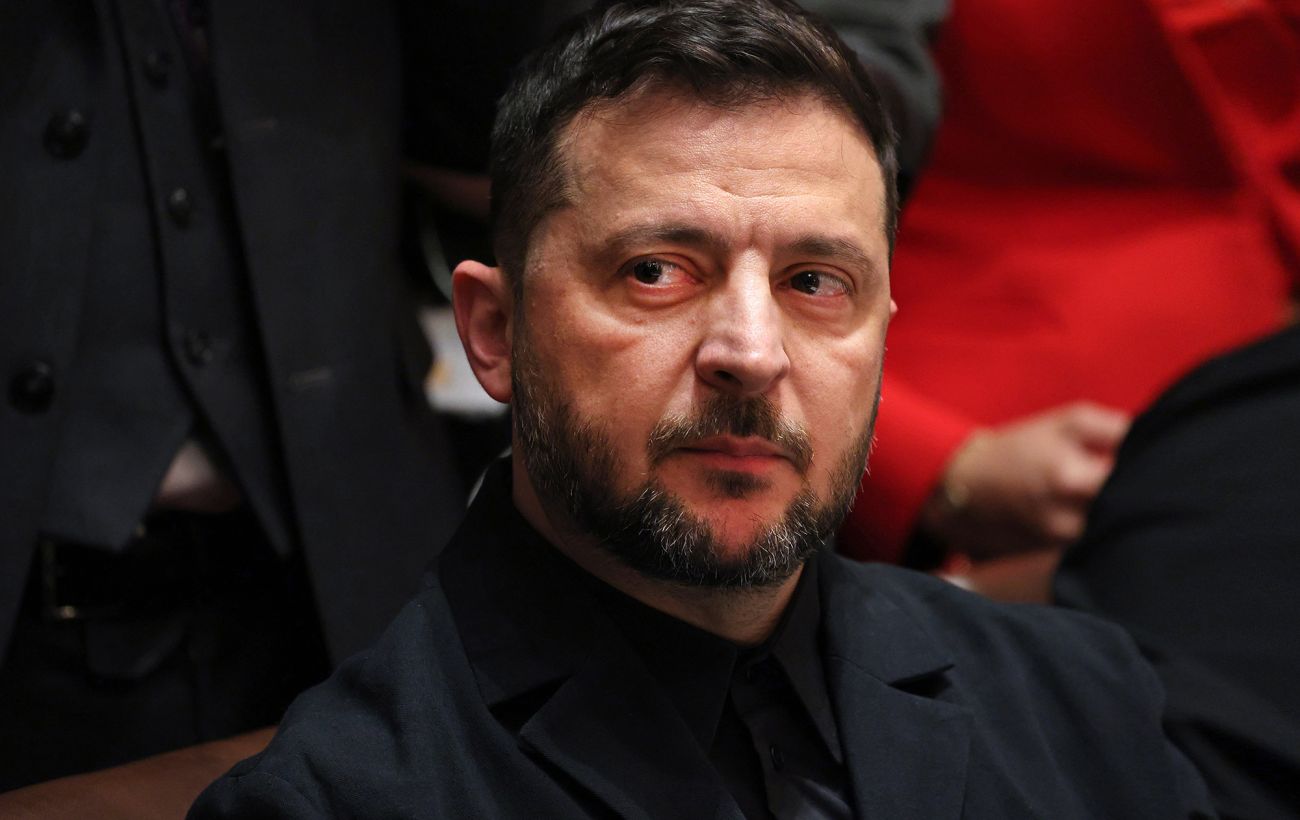
President warns of new mass Russian missile attacks
Volodymyr Zelenskyy reported intelligence data regarding enemy plans to launch further missile strikes across Ukraine.
 🛡️Security
Protecting the energy grid: President holds meeting on power supply stabilization
Volodymyr Zelenskyy discussed with government officials and energy experts the strategy for protecting critical infrastructure and timelines for restoring power in affect…